January 16, 2026
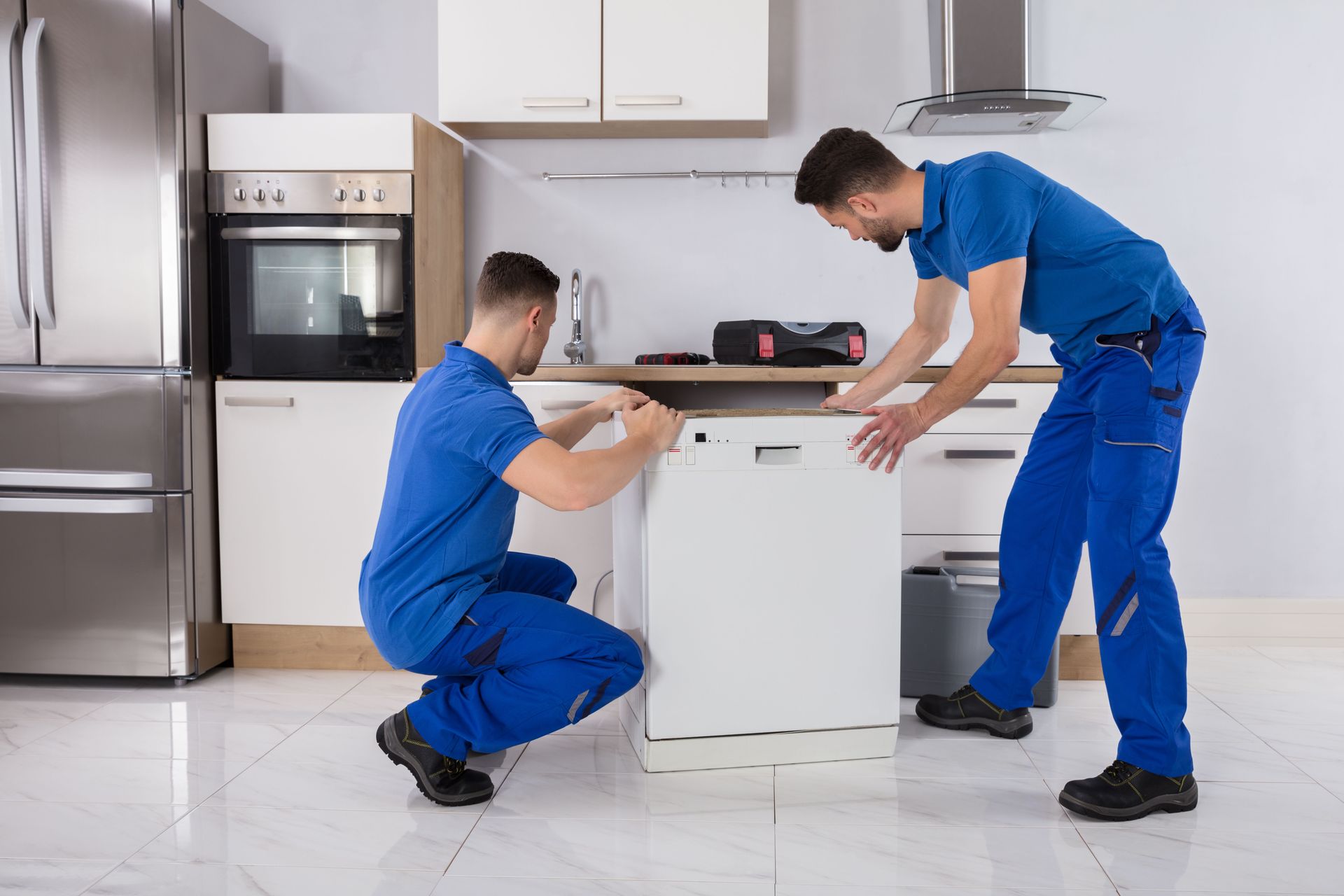
A professional appliance service visit can be unfamiliar for many homeowners. Whether it's a refrigerator not cooling properly, washing machine making unusual noises, or the dishwasher failing to drain, the need for appliance repair is inevitable. Understanding what to expect during a service visit can make the process smoother, reduce anxiety, and improve communication with the technician. This guide breaks down each stage of a professional appliance service, from scheduling to final wrap-up, giving you a clear view of the procedures and practices involved. With this knowledge, homeowners can ensure their appliances receive proper attention, enhancing performance and extending lifespan. According to This Old House, an electric range can have a lifespan of 13 to 15 years, highlighting the importance of timely and professional service.
Being prepared for an appliance repair visit not only helps the technician work efficiently but also allows you to make informed decisions about your appliance's care. Providing detailed information about the appliance, its age, past issues, and current problems helps the technician diagnose and address concerns accurately, saving time and preventing repeated service calls. Timely repairs can extend the life of your appliances, maintain energy efficiency, and avoid unexpected breakdowns that interfere with your daily routine.
Scheduling the Service
Scheduling an appliance repair starts with contacting a qualified service provider. Most companies provide multiple ways to connect, including phone, online forms, or mobile apps. During your initial communication, provide detailed information about your appliance and the issues you've noticed. Having the appliance's brand, model, serial number, and age available helps the provider assign the most qualified technician and prepare necessary parts or tools in advance. Sharing prior repair history or recurring issues can further streamline the process.
Once you've shared these details, selecting a convenient appointment time is essential. Many service providers offer flexible scheduling, including evenings and weekends. Choosing a time when you are available ensures direct communication with the technician, allowing you to explain the problem and answer questions. After scheduling, you should receive confirmation, often via email or SMS, including the technician's name and expected arrival window. Preparing for the visit is equally important—clear the area around the appliance, remove obstacles, and secure pets. A well-prepared space allows the technician to begin promptly and demonstrates your commitment to a smooth repair experience.
Welcoming the Technician
The arrival of the service technician marks the start of hands-on work. Punctuality is a key indicator of professionalism, and reputable service providers communicate promptly if delays occur. Upon arrival, the technician should be in professional attire and present identification, helping build trust and ensuring safety in your home. A proper introduction sets the tone for the visit, followed by clear communication about the appliance issue. The technician will ask questions about symptoms, prior repairs, and any special concerns, establishing a cooperative environment for the repair.
Before beginning technical work, the technician assesses the work area and appliance, checking for safety hazards, lighting, and accessibility. This initial evaluation ensures both the technician and household remain safe throughout the repair process. The next step involves discussing a service plan, detailing the diagnostic steps and potential repairs. Transparency during this discussion fosters confidence and allows you to ask questions before work begins.
Conducting the Diagnostic Examination
A thorough diagnostic examination is crucial for effective appliance repair. The technician inspects the appliance, looking for visible problems such as worn belts, damaged seals, or faulty wiring. Identifying potential issues early prevents minor problems from escalating, saving time and money. Experienced technicians may use specialized diagnostic tools to detect issues invisible to the naked eye, such as electrical irregularities or internal sensor failures. Gathering operational data—including runtime errors, temperature variations, or unusual vibrations—further informs the repair process and creates a record for future maintenance.
After a detailed inspection, the technician presents an initial diagnosis, explaining the causes and potential solutions in clear, understandable language. This step is critical for homeowners to make informed decisions about the appliance repair. The focus on transparency ensures you understand both the immediate issue and the impact on long-term appliance performance.
Reviewing Options and Approving the Service
Once the initial diagnosis is clear, the technician explains service options, which may include repairing specific components, performing a deep cleaning, or recommending replacement if the appliance is near the end of its lifespan. Offering options allows you to weigh cost, convenience, and long-term benefits. A detailed cost estimate, including parts, labor, and any additional fees, ensures financial clarity. Securing customer approval is a necessary step before work begins, formalizing consent to proceed under the outlined terms. Discussing the expected timeline provides realistic expectations, particularly if specialized parts need to be ordered or multiple sessions are required for complex appliance repair.
Performing the Repair and Maintenance
The repair or maintenance phase is where the technician executes the agreed-upon plan and brings the service visit to life. Having gathered all necessary tools, parts, and equipment, the technician follows established protocols to ensure precision, efficiency, and safety throughout every step. Repairs may involve replacing worn or faulty components, addressing electrical or mechanical issues, adjusting settings for optimal performance, or performing a thorough cleaning to remove buildup that could affect operation. Technicians often double-check connections, lubricate moving parts, and test individual components during the process to ensure nothing is overlooked.
Maintaining a safe and organized work environment is crucial, as it prevents accidents, protects both your home and the appliance, and allows the technician to work without interruptions. Once the repair or maintenance tasks are completed, the appliance is carefully tested under normal operating conditions to confirm that all issues have been resolved and that performance meets expected standards. Comprehensive post-service testing not only validates the success of the repair but also reduces the likelihood of future malfunctions and helps extend the appliance's usable life. Finally, technicians clean and organize the workspace, removing tools, debris, or packaging, leaving the area neat and orderly. This attention to detail demonstrates respect for your home, reinforces the professionalism of the service, and ensures that your appliance is ready for reliable, long-term use.
Wrapping Up and Providing Guidance
The final stage of an appliance repair visit involves summarizing completed work, discussing maintenance tips, and reviewing warranty coverage. Technicians may offer guidance on routine upkeep to prolong appliance life, such as cleaning filters, checking seals, or following operational best practices. Proper care between service visits can significantly enhance performance and prevent costly future repairs. Discussing warranties and providing documentation ensures protection for parts and labor, giving you reassurance for any unforeseen issues. Addressing any remaining questions completes the service experience, and clear documentation records the work performed for future reference. Finally, payment is processed, concluding a transparent and professional appliance repair visit.
Understanding the stages of a professional appliance service visit—scheduling, welcoming the technician, diagnosing, reviewing options, performing repairs, and providing guidance—helps homeowners feel prepared and confident throughout the process. Timely and professional appliance repair not only restores functionality but also prolongs the lifespan of your valuable household equipment. From the first phone call to the final walkthrough, being informed allows for smooth communication, effective repairs, and peace of mind in your home. If your appliances are showing signs of wear or malfunction, don't wait. Contact a trusted service provider today at Good Appliance LLC to schedule expert
appliance repair and keep your home running efficiently.